
Safety Is Built Into Every Project
Fortify performs demanding restoration work on occupied high-rise, coastal, condominium, hospitality, and commercial properties. Protecting our crews, residents, clients, and the buildings we serve requires disciplined planning, trained teams, clear communication, and daily accountability from mobilization through closeout.
A CULTURE OWNED IN THE FIELD
Fortify treats safety as part of project execution, not a separate checklist. Superintendents, project leaders, and field crews identify hazards, communicate changing conditions, and make safe decisions before work proceeds. Every employee is encouraged to speak up, slow down, and raise concerns when conditions require attention.
Plan Before Work Begins
Train for the Work
Communicate Every Day
Document and Improve
TRAINED TEAMS. ACCOUNTABLE LEADERSHIP.
Fortify’s operating standard calls for OSHA 30-hour training for superintendents and OSHA 10-hour training for field crews. Ongoing toolbox talks, project-specific planning, equipment instruction, and field supervision reinforce safe work practices throughout the project.
OSHA 30-hour trained superintendents
Morning
Toolbox Talks
Job Hazard Analyses before field work
Ongoing
field oversight
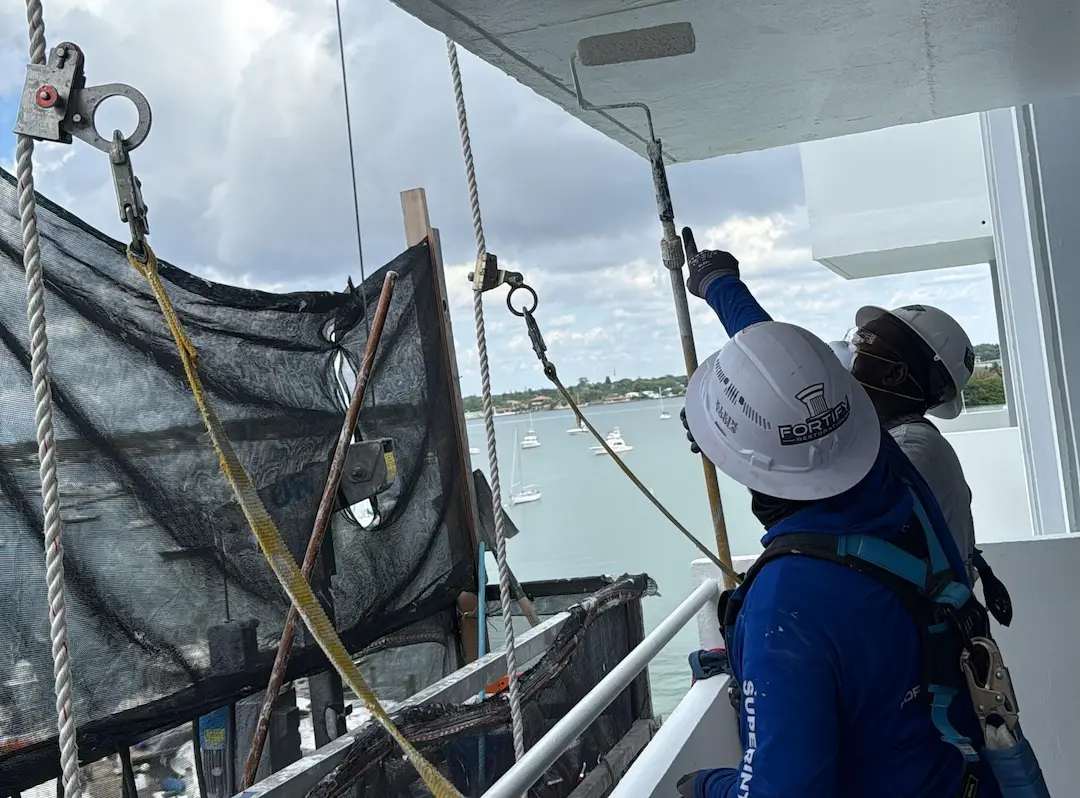
SAFETY STARTS BEFORE FIELD WORK
Pre-task planning helps Fortify prepare for the risks associated with structural concrete repair, façade restoration, waterproofing, roofing, painting, balconies, parking structures, scaffolds, swing stages, and occupied-building conditions. Job Hazard Analyses are reviewed before field work begins so crews understand the scope, site conditions, protective measures, access requirements, and responsibilities for the work ahead.
- Daily Safety Inspections and Pre-Mobilization Safety Plan(s)
- Work sequencing and access planning
- Coordination with property management and engineering teams
- Protection of residents, visitors, workers, and active property operations
- Clear response and escalation procedures for changing conditions
PLANNED, COMMUNICATED, AND DOCUMENTED
Safety performance depends on consistent execution. Fortify integrates morning toolbox talks, daily field reports, safety reporting, hazard communication, and corrective follow-up into the operating rhythm of each project. This structure helps project teams address conditions quickly, maintain accountability, and provide owners, boards, property managers, and engineers with clearer project oversight.
Show these six steps as two rows of three numbered cards on desktop and stack them in order on mobile:
1. Assess the Work
2. Complete the JHA
3. Brief the Crew
4. Perform and Monitor
5. Document and Correct
6. Review and Improve
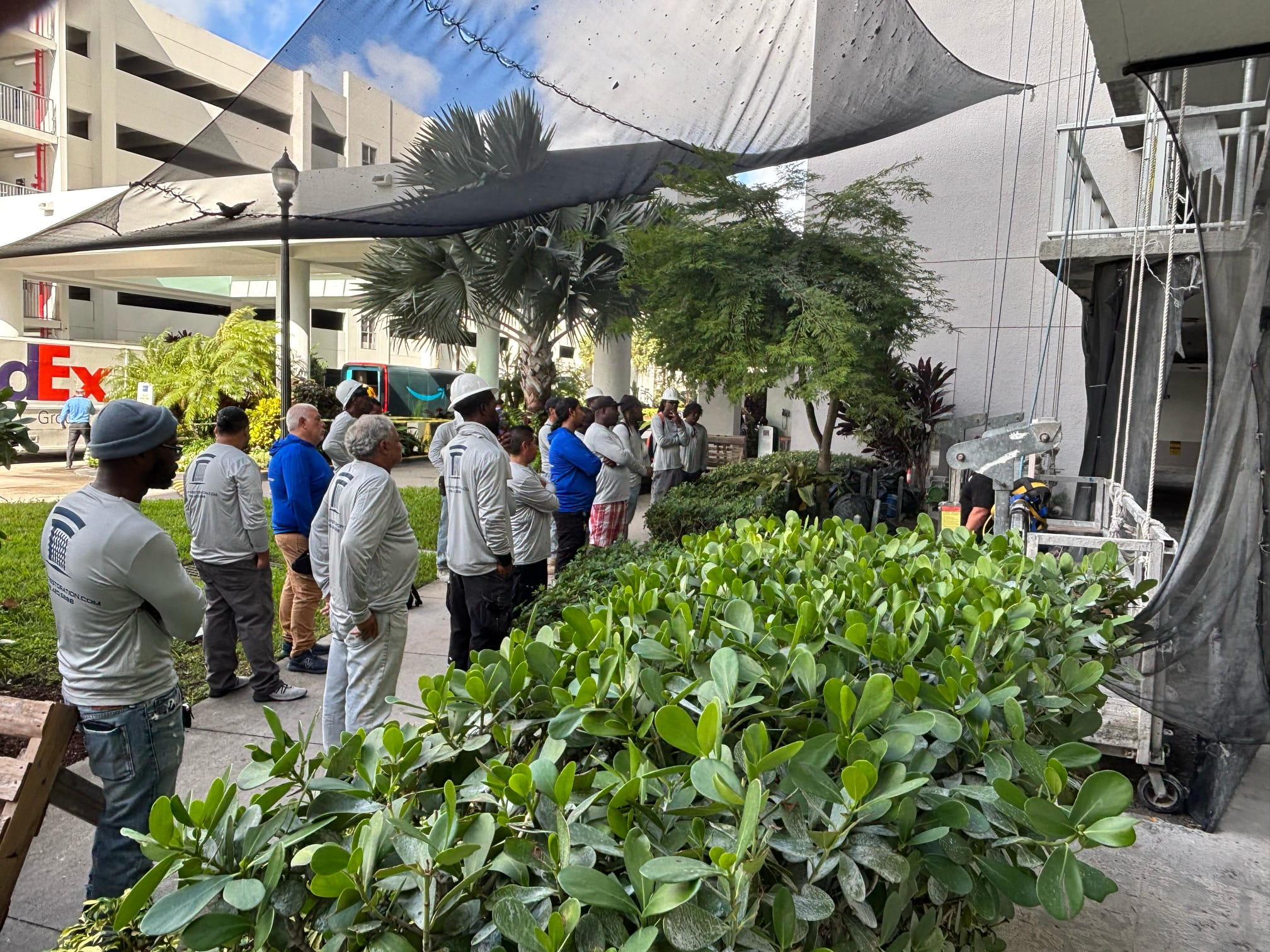
PROTECTING PEOPLE IN ACTIVE COMMUNITIES
Restoration work in occupied buildings requires careful coordination beyond the immediate work area. Fortify plans around resident access, building operations, pedestrian routes, controlled work zones, falling-object exposure, dust and debris, equipment movement, and emergency access. Clear communication with property managers, condominium associations, engineers, and residents helps reduce disruption while maintaining safe, orderly site conditions.